
Dental pain can appear suddenly and become severe within hours. Knowing what counts as
a dental emergency, what to do immediately, and how to access urgent treatment in Bradford
can help you reduce pain, prevent complications, and get professional care as quickly as
possible.
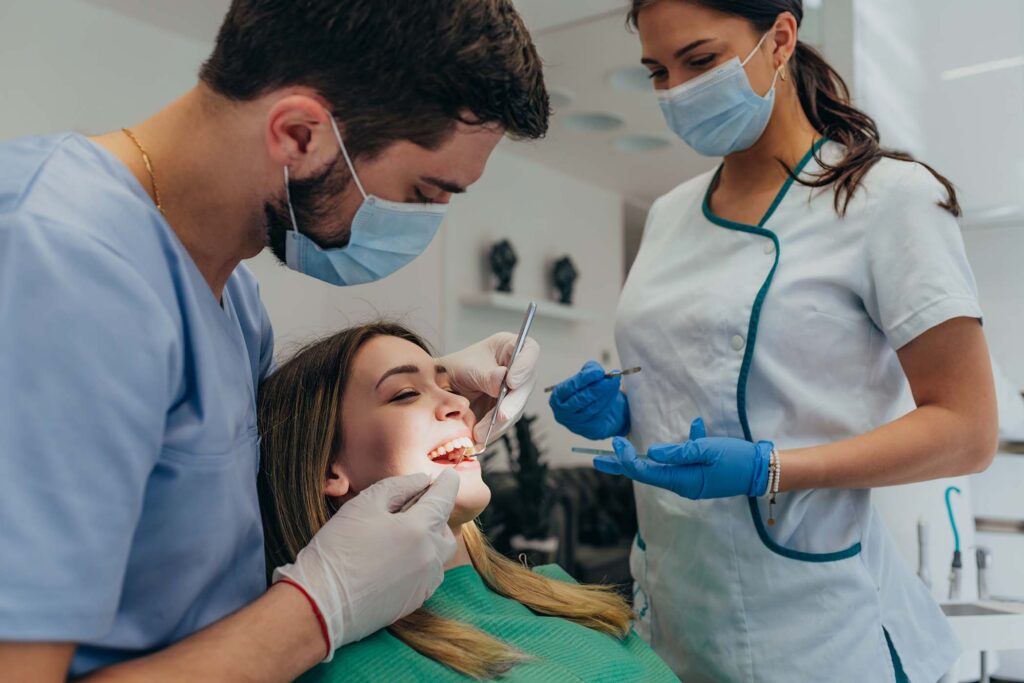
A dental emergency is any oral health problem that requires urgent attention to stop severe
pain, control bleeding, treat infection, or save a tooth. Unlike routine dental issues,
emergencies usually worsen quickly and should not be delayed.
Common dental emergencies include:
severe toothache that does not improve
facial swelling or signs of infection
uncontrolled bleeding after injury or extraction
knocked out or broken tooth
trauma to the mouth, jaw, or gums
If you experience difficulty breathing, spreading swelling, or high fever with dental pain, seek
urgent medical help immediately.
Dental emergencies seen most often in local practices include the following.
Often caused by deep decay, an abscess, or advanced gum disease. Pain may be constant,
throbbing, or worse when biting. Swelling, bad taste, or fever can indicate infection.
Teeth can fracture due to biting hard food, accidents, or untreated decay. Even small cracks
can expose the nerve and become extremely painful.
This is time critical. If treated quickly, a dentist may be able to save the tooth.
This may expose sensitive tooth structure and lead to pain or further damage if not treated
promptly.
Injuries from falls, sports, or collisions can affect teeth, gums, and jaw alignment and require
urgent assessment.
Taking the right first steps can reduce discomfort and improve the outcome before you reach
a dentist.
Rinse gently with warm salt water
take standard pain relief if appropriate for you
avoid chewing on the affected side
contact a dentist as soon as possible
Do not ignore swelling, especially in the face or jaw
contact a dentist urgently
seek medical help immediately if swelling affects breathing or swallowing
Hold the tooth by the crown, not the root
rinse gently if dirty, without scrubbing
place it back in the socket if possible, or keep it in milk
seek dental care immediately, ideally within one hour
Keep any fragments if possible
avoid very hot or cold foods
contact a dentist for urgent assessment
If you need emergency dental care, there are several routes depending on the severity and
timing.
If you are registered with a practice, call them as soon as they open. Many keep same day
emergency slots.
If you are not registered or the practice is closed, NHS 111 can direct you to urgent dental
services in Bradford. This is appropriate for severe pain, swelling, or trauma requiring prompt
treatment.
Go to A and E or urgent medical care if you have:
difficulty breathing
rapidly spreading swelling
heavy bleeding that will not stop
serious facial injury
Hospitals treat life threatening conditions, while dentists manage most tooth related
emergencies.
Understanding urgency helps you act appropriately.
Urgent dental care is needed for pain, infection, trauma, or sudden tooth damage that cannot
safely wait.
Routine care includes check ups, cleaning, mild sensitivity, or minor cosmetic concerns that
can be scheduled in advance.
If you are unsure, it is safer to call and ask for professional advice.
Prompt dental treatment can:
relieve pain quickly
prevent infection from spreading
save a damaged or knocked out tooth
reduce the need for more complex treatment later
lower the overall cost of care
Delaying treatment often turns a manageable issue into a more serious one.
Dental emergencies can affect anyone, but they are more common in:
patients who have delayed routine check ups
people with untreated decay or gum disease
children and adults involved in sports or physical activity
patients with broken fillings, crowns, or previous dental work
those experiencing sudden swelling or infection symptoms
Regular preventive care is the best way to reduce the likelihood of urgent problems.
If you have tooth pain today and need to be seen quickly:
1 call a local Bradford dental practice as early as possible
2 explain your symptoms clearly so they can assess urgency
3 if you cannot access care or the practice is closed, contact NHS 111
4 attend urgent medical services immediately if symptoms are severe or spreading
BHS Dental in Bradford city centre provides urgent dental appointments for patients
experiencing pain, swelling, or sudden tooth problems. The practice focuses on rapid
access, clear diagnosis, and transparent treatment planning so patients can receive help
without unnecessary delay.
Patients choose BHS Dental for emergency care because they want:
fast access to a Bradford city centre dentist
clear explanation of the problem and treatment options
predictable pricing aligned with NHS treatment bands where applicable
ongoing care after the emergency is resolved
If you are experiencing tooth pain today, contacting a local dentist promptly can help you
stabilise the problem and plan the next steps for your dental health.
Pain that is severe, persistent, associated with swelling, fever, or trauma should be treated
urgently. When in doubt, contact a dentist for advice.
Hospitals treat serious infections, breathing problems, or major injuries. Most dental pain
should be treated by a dentist or urgent dental service arranged through NHS 111.
Immediately. Seeing a dentist within one hour gives the best chance of saving the tooth.
You can still seek urgent care. Contact NHS 111 or call a Bradford practice that offers
emergency appointments for non registered patients.
Yes. Some Bradford practices, including BHS Dental, provide urgent care with transparent
pricing and treatment costs aligned with NHS bands where appropriate, helping patients
receive prompt treatment without unexpected fees.
WhatsApp us